
The Difference Between Quran Memorization and Correct Recitation Parents Often Miss
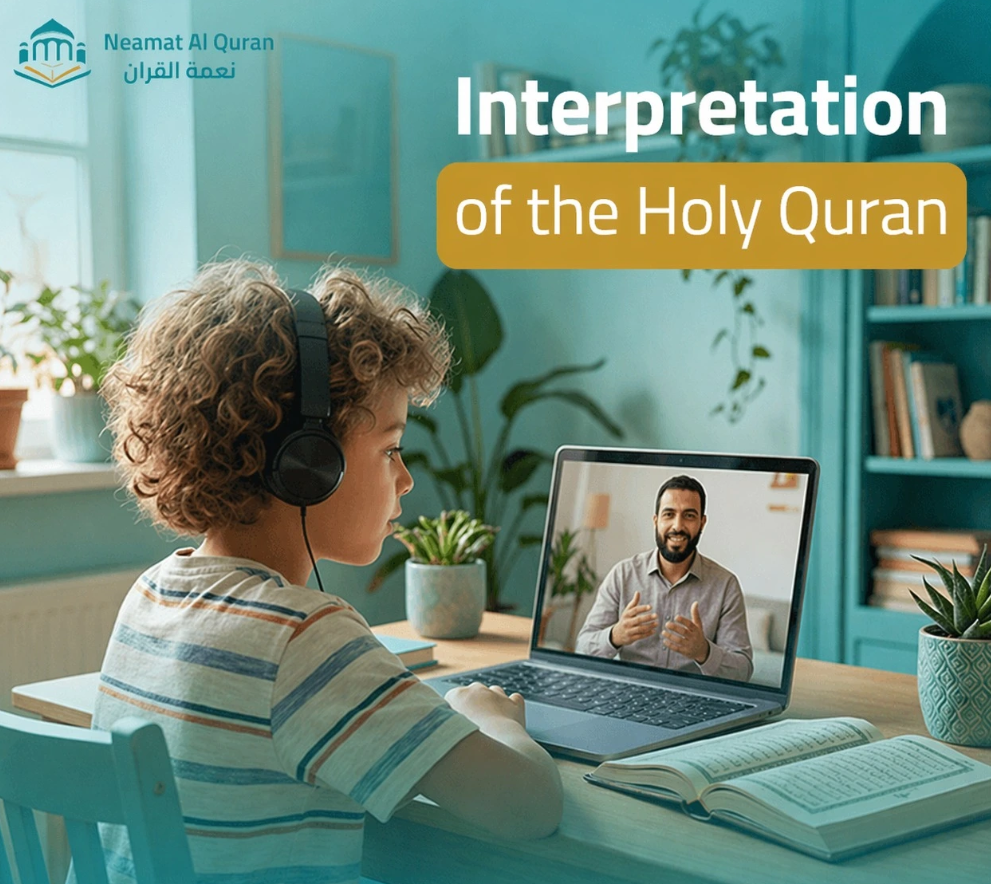

One of the most common misunderstandings among parents is thinking that memorizing the Quran is enough on its own, without paying close attention to correct pronunciation, and that leaves many children able to recite full verses while carrying the same pronunciation mistakes for years because nobody corrected them early on.
The first real step in this path is treating correct recitation as a separate skill focused on the exact articulation point of each letter, not something a child picks up automatically once they start memorizing. A child who joins live Quran courses early tends to build accurate pronunciation habits that stay with them for life, instead of correcting deep rooted mistakes years later.
Some programs push memorization heavily and leave pronunciation for a later stage, assuming the child needs to focus on quantity first. That approach lets small mistakes settle in and become much harder to fix once the child has repeated them for months without any correction.
Before reaching the stage of proper recitation, there is a foundational stage that has to come first, learning the letters and the basic reading rules correctly from the start rather than skipping ahead to keep up with a schedule.
This is exactly where a class covering interpretation of the Holy Quran adds real value, because understanding the meaning behind a verse naturally reinforces how it should sound when read aloud, and children who grasp the meaning tend to remember the correct pronunciation longer than those who repeat sounds without any context.
Teachers often notice that children who rush through the foundational stage to reach memorization faster end up struggling more later with correct reading, and they usually have to go back and relearn the basics they thought they had already passed.
Once correct reading and recitation are established, consistent practice is what turns the skill into a habit rather than something the child only remembers during class and forgets the moment the session ends.
Families who look into structured Quran memorization classes online before choosing a program tend to get a clearer picture of how pronunciation is assessed alongside memorization, instead of finding out months later that nobody was tracking that side of progress at all.
It also matters that parents understand pronunciation and correct recitation are not skills that are mastered once and then forgotten about. Even a child who has learned to pronounce everything correctly can slip back into old habits without regular review from a qualified teacher.
There is a real difference between memorizing quickly without attention to pronunciation and memorizing while getting continuous correction. The second approach takes longer at first, but it produces results that hold up over time, unlike fast memorization that eventually needs a full review to fix mistakes that piled up unnoticed.
One simple thing any family can try is recording their child reciting every few weeks and comparing the recordings after two or three months, to see for themselves whether there is real improvement in pronunciation rather than just in the number of verses memorized.
A related habit worth building is asking the teacher, not just how many pages were covered this week, but which specific letters or sounds still need work. That single question tends to reveal far more about real progress than any general summary, and it pushes the teacher to think about pronunciation as something being tracked rather than assumed.
Some families also find it helpful to sit in on a session every so often, even briefly, since hearing the correction process firsthand gives parents a much better sense of what good pronunciation actually sounds like compared to reading about it secondhand from a report.
It is worth remembering that siblings often pick up each other’s pronunciation habits at home, for better or worse, so a household where one child has clearly mastered a difficult letter can quietly help a younger sibling along, while the opposite is also true if mistakes go unchecked for too long.
Screen habits outside of class matter too, since a child who spends time listening to a reciter with clear, well trained pronunciation tends to absorb the correct sound almost passively, while constant exposure to rushed or unclear recitation online can quietly reinforce the very mistakes a teacher is trying to correct during the lesson itself.
In the end, any family serious about building a lasting bond between their child and the Quran should treat correct pronunciation as a priority from the very first day, not a detail to postpone until the child is older, because habits formed early are always harder to change the longer they are left alone. A short, honest conversation about this with whoever is teaching your child today is often all it takes to find out whether pronunciation is actually being tracked or simply assumed along the way.
تعليقات